


Table of Contents
Introduction
The search term interior design designmode24 appears to sit at the intersection of modern interior inspiration, home improvement, room styling, and practical decorating advice. The difficulty is that “DesignMode24” does not appear to refer to one universally defined interior-design methodology. Several websites currently use the DesignMode24 name, and they describe their focus differently. One presents itself as an interior design and home-improvement resource, another describes a broader design and décor service, while other sites use the name for general home and lifestyle content.
That distinction matters for anyone searching for designmode24 interior design ideas. Rather than treating the name as a formal design style comparable with Scandinavian, Mid-Century Modern, or Art Deco, it is more useful to examine the practical design ideas associated with the current DesignMode24 web presence: functional layouts, modern interiors, room-by-room inspiration, furniture placement, lighting, colour, storage, home improvement, and comfortable living spaces.
For Canadian homeowners, those principles also need to work within the realities of Canadian housing. Climate, heating, ventilation, renovation requirements, accessibility, apartment layouts, and regional building requirements can all influence an interior project. Canada’s National Building Code provides a national model framework, but the applicable code and regulations depend on the province, territory, and municipality.
This guide explains what interior design designmode24 can reasonably mean, how to use the available ideas without confusing inspiration with professional design services, and how to translate modern design concepts into practical Canadian homes.
What Does Interior Design DesignMode24 Mean?
There is no single authoritative definition establishing “interior design designmode24” as a recognized interior-design style. Current websites using the DesignMode24 name emphasize somewhat different aspects of home design.
For example, DesignMode24 Interior Design describes itself as a source for interior design inspiration, home improvement ideas, room design guides, furniture and décor information, and practical home solutions. Its stated design philosophy emphasizes the relationship between style, functionality, and comfort.
Another DesignMode24 website describes itself as a home design and interior styling resource, focusing on layout, colour, lighting, small improvements, and practical home projects.
A separate DesignMode24 site presents a more traditional full-service décor and design model, covering residential and commercial interiors, furniture and décor sourcing, renovation, offices, retail environments, restaurants, and property staging.
These differences mean that readers should treat interior design designmode24 primarily as a search phrase associated with DesignMode24-related interior and home-design content rather than assuming it identifies one formally standardized design discipline.
For practical purposes, the common thread is straightforward: create interiors that look considered while also working for the people who use them.
That principle is especially relevant to Canadian homes, where the most attractive room is not necessarily the most successful one. A living room needs usable circulation. A kitchen needs appropriate ventilation and practical work areas. A bedroom needs comfortable lighting and storage. A small condominium needs furniture that respects limited floor area.
The strongest designmode24 interior ideas therefore make aesthetics serve everyday living rather than treating decoration as the only objective.
The Core Principles Behind DesignMode24 Interior Design
Function Comes Before Decoration
A room can contain beautiful furniture and still be poorly designed if people cannot move through it comfortably.
Functional planning begins with understanding what happens in the room. A family living room might need space for conversation, television viewing, children’s activities, reading, and storage. A home office may need a desk, ergonomic seating, equipment storage, task lighting, and enough clearance to move around the workspace.
This approach aligns with the practical emphasis found across current DesignMode24 material, where layout, functionality, comfort, and everyday usability are repeatedly presented alongside visual appearance.
Before buying furniture, measure the room and consider the movement paths. A sofa that technically fits against a wall may still create an awkward route between the entrance and kitchen. Similarly, a large dining table can dominate a small room even when there is technically enough space to place it.
Scale and Proportion Matter
Interior design is not simply about choosing individual attractive objects. Those objects have to relate to one another and to the room.
A large sectional can make a compact living room feel crowded. Tiny furniture can make a large open-plan room feel visually disconnected. A small artwork above a substantial sofa can also appear undersized.
The DesignMode24 approach can therefore be interpreted as a useful reminder to consider the room as a complete composition. Furniture dimensions, ceiling height, window placement, door swings, circulation paths, and storage needs should be considered before decorative purchases.
Comfort Is Part of Design
Modern interiors sometimes prioritize photographs over everyday use. A room can look sophisticated in an image while being uncomfortable to sit in or difficult to maintain.
A practical designmode24 home interior approach places comfort alongside visual appeal. Upholstery, seating depth, lighting levels, acoustic qualities, storage, and temperature all contribute to how a space feels.
For Canadian homes, comfort can also involve seasonal considerations. Heating requirements, winter daylight, drafts, humidity, and ventilation may affect choices that seem purely decorative.
Lighting Should Be Planned in Layers
Lighting has a major effect on the perceived character of an interior. A single ceiling fixture may provide general illumination, but it does not necessarily create the most useful or comfortable environment.
A layered scheme can combine general lighting with task and accent lighting. In a kitchen, for example, overhead lighting may be supplemented by illumination over work surfaces. In a living room, floor lamps, table lamps, wall lighting, and accent fixtures can provide different levels of light for different activities.
The important lesson is not to copy a particular fixture from a design photograph. It is to understand what each source of light is supposed to accomplish.
Natural light should also be considered before choosing colours and finishes. A paint colour can appear significantly different depending on orientation, window size, time of day, and artificial lighting.
DesignMode24 Home Interior Ideas for Canadian Homes
Canadian homeowners face a wide range of housing types, from detached suburban houses to condominiums, townhouses, apartments, older character homes, and newly constructed properties.
Consequently, there is no single designmode24 home interior formula that works everywhere.
Living Rooms
A successful living room begins with the furniture arrangement rather than decorative accessories.
Identify the room’s main focal point. It might be a fireplace, television, architectural feature, large window, artwork, or simply a conversation area.
Furniture should then support the intended use of the room. Seating can be arranged around a central point without blocking important walkways.
In smaller Canadian apartments and condominiums, multipurpose furniture can be particularly useful. An ottoman with storage, a compact console, nesting tables, or furniture with concealed storage can help the room perform more than one function without adding unnecessary visual clutter.
Kitchens
Kitchen design has to balance appearance with workflow.
Cabinet colour, backsplash material, countertops, flooring, handles, and lighting contribute to the visual identity, but the kitchen must also support cooking, cleaning, storage, and movement.
Ventilation is another important consideration. Health Canada recommends using kitchen exhaust ventilation when cooking and explains that effective ventilation can help reduce indoor pollutants and moisture.
That means a beautiful kitchen should not be planned independently of the home’s ventilation system.
Bedrooms
A bedroom benefits from restraint.
Instead of filling the room with decorative objects, consider the elements that contribute directly to comfort: an appropriately sized bed, practical bedside surfaces, useful storage, suitable window treatments, and lighting that works for both general illumination and nighttime activities.
Colour and texture can then create the desired atmosphere.
A neutral foundation does not necessarily mean a boring room. Different textures in bedding, curtains, rugs, wood, upholstery, and accessories can create visual depth without requiring numerous colours.
Home Offices
The rise of flexible work has made the home office an important interior-design consideration.
A productive workspace requires more than a stylish desk. Furniture should suit the user’s working posture, while lighting should reduce unnecessary glare and shadows.
Storage is equally important. A room becomes harder to use when documents, equipment, cables, and other work materials occupy every available surface.
For small homes, a dedicated workspace does not necessarily require an entire room. A properly planned section of a bedroom, living room, hallway, or multipurpose room may provide enough space for a compact workstation.
A Practical Room-by-Room Design Framework
| Room | Main Design Priority | Useful DesignMode24-Inspired Consideration |
| Living room | Comfort and circulation | Arrange seating around a clear focal point |
| Kitchen | Workflow and storage | Combine practical work lighting with ventilation |
| Bedroom | Rest and organization | Use comfortable furniture and controlled lighting |
| Bathroom | Function and moisture management | Select finishes and layouts appropriate for a wet environment |
| Home office | Focus and ergonomics | Combine task lighting, suitable seating, and storage |
| Entryway | Organization | Create a practical place for coats, shoes, keys, and bags |
| Dining room | Movement and gathering | Allow sufficient space around the table and seating |
| Small apartment | Space efficiency | Use multipurpose furniture and avoid oversized pieces |
The table illustrates a general design principle rather than an official DesignMode24 specification. Since the DesignMode24 name is used by multiple websites, readers should distinguish between information published by a particular site and broader interior-design principles.
Colour, Materials, and Texture
Colour is one of the easiest ways to change the visual character of a room, but it should be considered alongside natural and artificial lighting.
A colour selected from a small sample can appear different when applied across an entire wall. For that reason, testing samples in the actual room at different times of day is more useful than relying exclusively on an online image.
Materials also affect how a room feels.
Wood can introduce warmth. Stone and ceramic surfaces can create a more architectural appearance. Textiles can soften hard surfaces. Metal can add contrast and visual definition.
The goal is not to use every material available. A stronger interior usually has a controlled material palette in which different finishes complement one another.
This is where designmode24 interior decoration can be understood as more than purchasing accessories. Decoration works best when it reinforces the room’s existing architecture, colour palette, furniture scale, and intended function.
Storage as an Interior Design Feature
Storage is often treated as a secondary issue, but it can determine whether an interior remains attractive after the initial makeover.
Open shelving can provide display space but also creates a visual responsibility because everything placed on the shelves becomes part of the room’s composition.
Closed cabinetry can reduce visual clutter, while built-in solutions can make better use of difficult areas.
In smaller homes, vertical space can become particularly valuable. Tall cabinets, wall-mounted storage, under-bed drawers, and furniture with integrated compartments can increase usable storage without requiring additional floor area.
This connects naturally with the broader designmode24 interior ideas theme of combining appearance with practicality.
Interior Design DesignMode24 and Sustainable Choices
Sustainability should not be reduced to a decorative trend.
A practical approach can involve keeping useful furniture longer, repairing rather than automatically replacing items, choosing durable materials, and considering the long-term maintenance requirements of finishes.
The environmental performance of a home can also involve building systems rather than décor alone.
Ventilation is particularly important in Canadian homes. Health Canada explains that mechanical ventilation can be important for maintaining indoor air quality in increasingly airtight homes and identifies systems such as heat-recovery and energy-recovery ventilators among Canadian residential ventilation options.
Material selection also deserves attention. Health Canada notes that furniture, cabinets, flooring, paints, varnishes, and other products can contribute to indoor pollutants, including volatile organic compounds. It recommends source control and adequate ventilation as important ways of improving indoor air quality.
This provides a useful Canadian perspective on modern interior design designmode24: visual design should not be separated from the conditions that make a home healthy, comfortable, and functional.
Accessibility and Inclusive Home Design
Good interior design should consider who will use the home now and who might use it in the future.
Canada’s accessibility guidance provides an important reference point. CMHC highlights CSA/ASC B652:23, the National Standard of Canada for accessible dwellings, which covers design and construction considerations for people with a range of physical, sensory, and cognitive abilities.
CMHC’s Housing Design Catalogue also incorporates accessible-ready and enhanced-accessibility approaches and identifies universal-design principles as part of its housing design framework.
In practice, inclusive design can involve thoughtful circulation, appropriate clearances, accessible controls, suitable lighting, reduced trip hazards, and layouts that can adapt as household needs change.
The specific requirements for a renovation or new construction project depend on the project and jurisdiction, so inspirational interior-design content should not be treated as a substitute for applicable codes or professional advice.
Canadian Renovation Considerations
Interior design and construction are related but not identical.
A homeowner can choose a colour palette or furniture arrangement without undertaking structural work. But moving plumbing, modifying electrical systems, altering structural elements, changing ventilation, or making other significant renovations can involve technical requirements and permits.
The National Research Council of Canada publishes the National Model Codes. The 2025 National Building Code is available through NRC, but the NRC specifically advises people to check with the appropriate provincial or territorial official to determine which codes and regulations apply in their jurisdiction.
That distinction is important when using designmode24 home design inspiration.
A design image may demonstrate what a finished room looks like. It does not automatically tell you whether a particular wall can be removed, whether an electrical change is permitted, whether a ventilation system is adequate, or what local approval is required.
For Canadian readers, design inspiration should therefore be the beginning of the planning process rather than the final authority on construction requirements.
How to Use DesignMode24 Inspiration Without Copying a Room
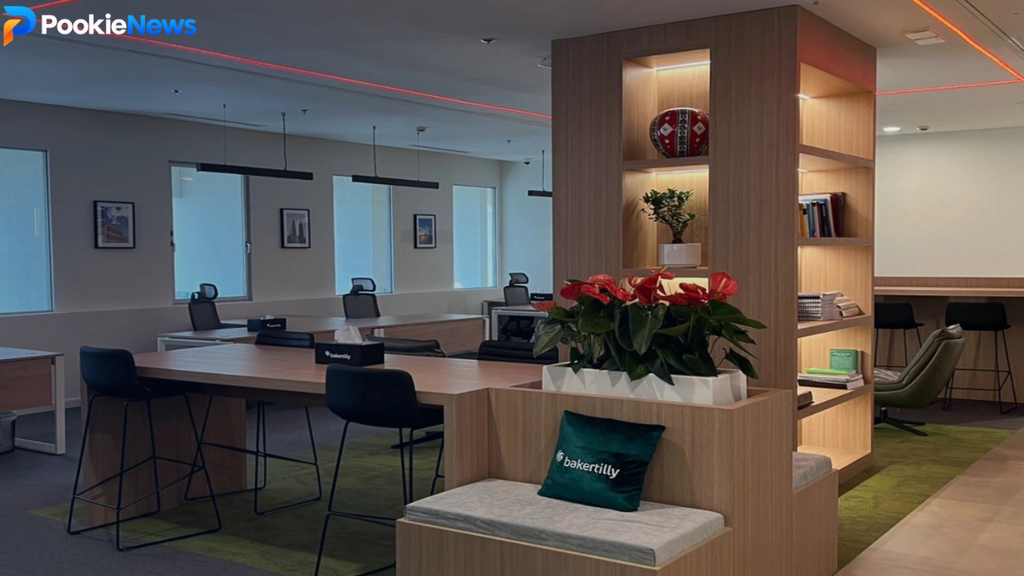
A common mistake in interior design is attempting to reproduce a photograph exactly.
Instead, identify what you actually like about the room.
Perhaps the appeal comes from its warm lighting. Perhaps it is the furniture arrangement, neutral colour palette, natural materials, large artwork, or uncluttered appearance.
Once the underlying characteristics are identified, they can be adapted to the actual home.
For example, a homeowner with a small Toronto condominium may not be able to reproduce the proportions of a large open-plan living room shown online. However, the same principles of balanced furniture placement, layered lighting, restrained colour, and functional storage can still be applied.
That is a more useful interpretation of designmode24 design inspiration than treating online images as exact templates.
Common Mistakes to Avoid
Buying Furniture Before Measuring
Furniture that looks appropriately sized online can overwhelm a real room.
Measurements should include doors, windows, radiators, vents, stairways, and circulation routes.
Choosing Colour Without Testing It
Digital images and showroom lighting cannot perfectly reproduce how a colour behaves in a particular Canadian home.
Sample colours in the actual space before committing to a large purchase.
Prioritizing Appearance Over Function
A room should remain comfortable and usable after the photographs are taken.
Storage, cleaning, movement, lighting, and everyday routines should influence design decisions.
Ignoring Ventilation
Renovation and interior decoration can introduce new materials and change how a room is used.
Health Canada recommends attention to source control and ventilation when improving indoor air quality, particularly during renovation activities.
Treating Online Inspiration as Professional Approval
Interior-design websites can provide useful ideas, but online content cannot determine whether a specific renovation complies with local requirements.
For structural, electrical, plumbing, gas, ventilation, or code-related work, appropriate qualified professionals and local authorities should be consulted.
What Makes DesignMode24 Useful for Interior Inspiration?
Based on the current websites using the DesignMode24 name, the strongest recurring theme is the combination of visual design and practical home improvement.
DesignMode24 Interior Design describes room-by-room inspiration covering areas such as living rooms, kitchens, bathrooms, bedrooms, home offices, entryways, dining rooms, laundry rooms, and outdoor spaces.
Another DesignMode24 resource emphasizes interior styling alongside home improvement, DIY projects, renovation planning, and practical upgrades.
A separate DesignMode24 site focuses on professional décor and design services across residential and commercial settings.
These differences reinforce the need to check which DesignMode24 website or resource a search result refers to.
For someone searching modern interior design designmode24, the most useful approach is to extract practical design principles from the relevant source rather than assuming every page carrying the name belongs to one organization.
My Opinion on Interior Design DesignMode24
My view is that the most useful way to approach interior design designmode24 is as an inspiration and research topic rather than as a formally established design style.
The current online landscape surrounding the name is fragmented. Several sites use DesignMode24 for different forms of interior design, home improvement, décor, or design-related publishing.
That does not make the search term useless. In fact, the practical themes appearing across the relevant material—function, comfort, layout, lighting, storage, room-specific planning, and home improvement—are highly applicable to ordinary homes.
For Canadian readers, however, the most valuable interpretation is one that goes beyond appearance. A good interior should work with the home’s ventilation, climate, occupants, accessibility requirements, maintenance needs, and applicable regulations.
The strongest design decision is therefore not necessarily the trendiest one. It is the one that makes the space work better while maintaining an appearance that suits the people who live there.
Frequently Asked Questions About Interior Design DesignMode24
What is interior design designmode24?
Interior design designmode24 is a search phrase associated with DesignMode24-branded websites and content covering interior design, home décor, room planning, home improvement, and related design ideas. Current websites using the DesignMode24 name describe their services and editorial focus differently, so the term does not appear to have one universally accepted definition.
Is DesignMode24 a specific interior design style?
There is no clear evidence that DesignMode24 is an officially standardized interior design style. Current DesignMode24 sites describe practical interior design, decoration, home improvement, and design services rather than defining a formal style system comparable with established historical or contemporary design movements.
What are useful designmode24 interior ideas for a small home?
Useful ideas include selecting furniture according to the room’s actual dimensions, using multipurpose pieces, making better use of vertical storage, keeping circulation paths clear, and using layered lighting. The same principles can be adapted to Canadian apartments, condominiums, townhouses, and smaller houses.
Can DesignMode24 ideas be used for Canadian homes?
Yes, design inspiration can be adapted to Canadian homes, but construction-related decisions need to account for local requirements. The National Research Council of Canada publishes national model codes and advises homeowners to check with the appropriate provincial or territorial authority for the regulations applicable to their project.
Does interior design include ventilation and indoor air quality?
A complete approach to home design should consider them, particularly during renovations. Health Canada identifies ventilation as an important part of maintaining indoor air quality and recommends source control and appropriate ventilation to reduce indoor pollutants and moisture.
Conclusion
Interior design designmode24 is best understood as a search topic connected with DesignMode24-branded interior-design and home-improvement resources rather than as a single officially defined decorating style.
The current DesignMode24 landscape includes websites covering modern interiors, room-by-room inspiration, home improvement, décor, renovation, furniture, lighting, storage, and broader design services. Because different websites use the same or similar name, readers should check the specific source before treating a statement about DesignMode24 as universally applicable.
For Canadian homeowners, the most practical lessons are straightforward: start with how a room needs to function, choose furniture according to scale, plan lighting carefully, use storage intelligently, consider comfort and accessibility, and treat construction requirements as a separate technical issue.
Interior design becomes more useful when it improves everyday life rather than simply creating an attractive photograph. That is the most practical way to apply interior design designmode24 ideas to a real Canadian home and more.
